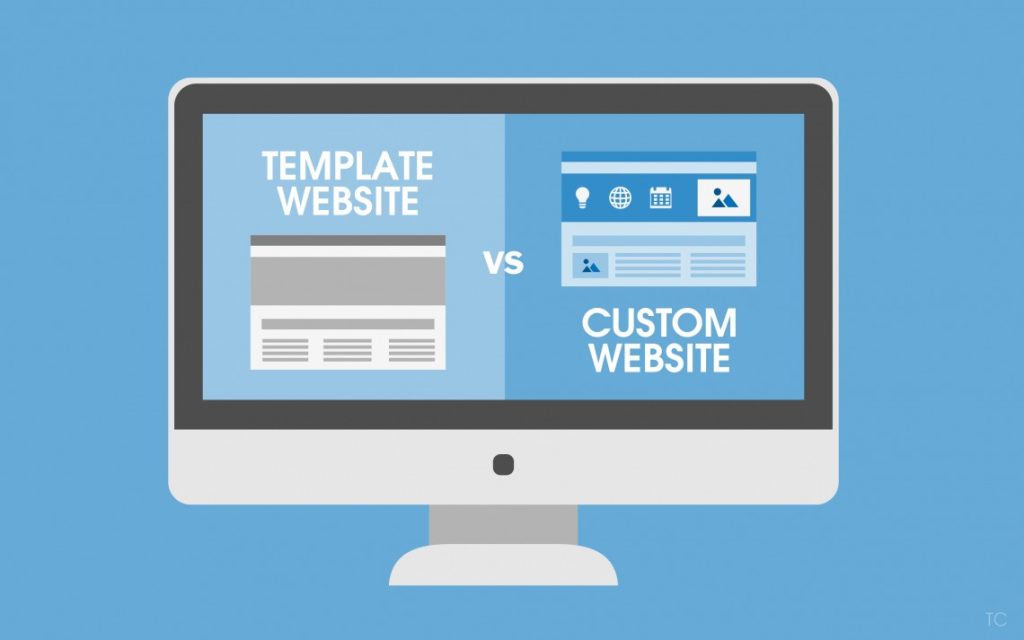

Have you ever stared at your business website and wondered if it’s truly working as hard as you are? This question troubles many business owners as they navigate the complex world of web design options. Choosing between a template vs custom website design can feel overwhelming, but understanding the differences, benefits, and trade-offs of each approach can help you make the right decision for your brand. If you want a detailed breakdown, you can explore more at Template vs Custom Website Design?.
Understanding Template Website Design
Template websites are pre-designed layouts created by web developers and designers. They allow you to quickly set up a site with minimal technical knowledge. You essentially choose a ready-made framework and adjust it to suit your needs.
Advantages of Template Websites
- Cost-effective: Templates are generally much cheaper upfront compared to custom builds.
- Speed of launch: Since the framework is already built, you can launch your site in a matter of days or weeks.
- Variety of choices: There are thousands of templates available across industries, offering multiple styles and functions.
- Beginner-friendly: Templates are built for non-developers, making it easy for small businesses and startups to manage.
Limitations of Template Websites
- Lack of uniqueness: Your website may look similar to hundreds of others using the same template.
- Restricted functionality: Customization is often limited to colors, fonts, and images, meaning advanced features may not be possible.
- Scalability issues: As your business grows, a template may struggle to support complex requirements.
- Performance concerns: Some templates come bloated with unnecessary code, slowing down your website.
Understanding Custom Website Design
Custom website design is a tailored approach where professional developers and designers build your website from scratch to meet your business needs. Every element is created with your brand identity, functionality requirements, and growth goals in mind.
Advantages of Custom Websites
- Unique branding: No two businesses are alike, and a custom website ensures your site reflects your brand identity perfectly.
- Full scalability: As your business expands, your site can evolve seamlessly with new features and integrations.
- Optimized performance: Custom code is leaner, resulting in faster load times and better SEO performance.
- User experience focus: Designers craft the layout based on your target audience, creating a more intuitive and engaging experience.
- Long-term investment: While costlier upfront, custom websites are future-proof and save money in the long run by avoiding rebuilds.
Challenges of Custom Websites
- Higher cost: Developing from scratch requires a bigger budget.
- Longer timelines: Building a fully customized site can take weeks or even months.
- Ongoing maintenance: Custom websites may require professional developers for updates and troubleshooting.
Factors to Consider When Choosing Between Template and Custom Design
Budget
Your available budget is one of the biggest deciding factors. Templates are suitable if you are launching a small business or testing an idea with limited funds. On the other hand, a custom website is an investment that pays off when you want a long-term, scalable online presence.
Business Goals
Think about your short-term and long-term goals. If your business is small and primarily needs an online brochure, a template may be sufficient. But if your strategy involves e-commerce, custom integrations, or lead generation, a custom build will serve you better.
Timeline
If you need a website quickly, a template will save time. Custom sites require more planning and collaboration, so be prepared for longer development cycles.
Branding Needs
Strong branding often demands a unique and memorable online presence. Templates provide limited customization, while custom sites allow your brand personality to shine through every detail.
Functionality and Features
Do you need advanced booking systems, custom dashboards, or unique e-commerce flows? Templates can be restrictive. A custom website gives you full control over functionality.
SEO and Performance
Search engine optimization and speed are critical. While templates can be optimized, custom-built websites have cleaner code and allow greater flexibility in implementing technical SEO best practices.
Real-World Examples
-
A local bakery may use a template to showcase its menu, location, and contact details because it only needs a simple online presence.
-
A tech startup, however, may need a custom-built website to integrate advanced dashboards, customer portals, or interactive features to stand out and attract investors.
-
An e-commerce brand planning for future growth may outgrow a template quickly, making a custom website a more strategic choice.
Long-Term Scalability
One of the most overlooked aspects of choosing template vs custom website design is scalability. Businesses often begin with a template and later realize that growth demands custom features. Transitioning from template to custom usually requires a full rebuild, which doubles the cost and effort. Starting with a custom build may feel like a leap, but it saves time and money in the long run if you expect significant growth.
SEO and Marketing Impact
Your website is your marketing engine. Custom websites allow you to implement structured data, custom landing pages, and precise tracking tools. Templates can support basic SEO practices, but they may limit technical flexibility and marketing automation integrations.
Security Considerations
Security is crucial in today’s digital environment. Templates often rely on third-party plugins, which can increase vulnerabilities. Custom websites can be built with security as a priority, with clean code and fewer unnecessary add-ons.
FAQs on Template vs Custom Website Design
Q. Can I start with a template and later move to a custom website?
Yes, but it usually requires a complete rebuild. The transition is possible but may cost more than starting with custom development upfront.
Q. Which option is better for SEO?
Custom websites generally perform better because they allow fine-tuned SEO implementation and cleaner code. Templates can still be optimized but often come with unnecessary code that slows down performance.
Q. Are templates good for e-commerce websites?
Templates can handle basic e-commerce needs, but if your store grows or requires advanced functionality like multi-vendor support or custom checkout flows, a custom design is the better option.
Q. Do custom websites require ongoing developer support?
In most cases, yes. Custom sites are powerful but need professional maintenance for updates, security patches, and new features.
Q. Which option is more cost-effective in the long run?
Although templates are cheaper initially, custom websites are more cost-effective long-term due to their scalability and ability to adapt to growth without major overhauls.
By carefully weighing budget, business goals, branding needs, and scalability, you can determine whether a template or custom website design is right for your business. For more insights, explore Template vs Custom Website Design? and make an informed decision that supports your online success.