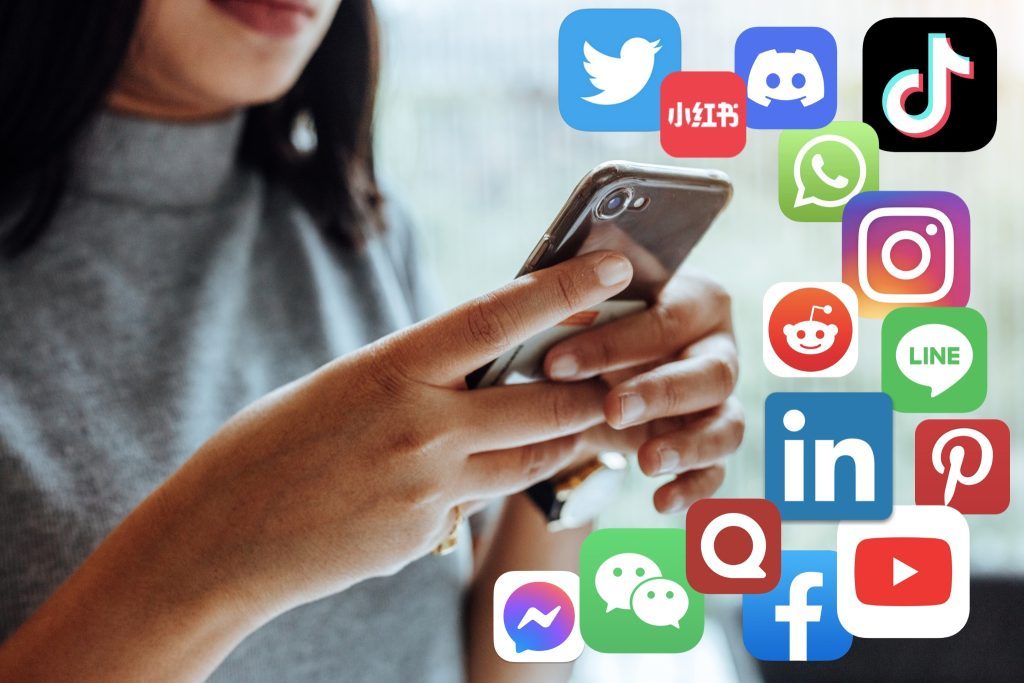

Social media has become one of the most effective tools for businesses to build brand awareness, connect with customers, promote products, and increase revenue. However, not every platform delivers the same results for every organization. Choosing the right social media channels depends on your business goals, audience preferences, content style, and available resources.
This guide explains the most effective social media platforms for businesses and how each one supports marketing success. Understanding the strengths of each platform helps organizations focus their efforts where they matter most.
Why Businesses Need the Right Social Media Platform Strategy
Many businesses make the mistake of trying to be active everywhere at once. While that approach may seem productive, it often spreads resources too thin and reduces overall effectiveness.
A focused platform strategy helps businesses:
- reach the right audience more efficiently
- improve engagement quality
- reduce content production pressure
- strengthen brand positioning
- increase marketing return on investment
Selecting the right platforms ensures that time and effort produce measurable results.
Facebook Remains a Strong Foundation for Business Visibility
Facebook continues to serve as one of the most widely used social platforms for business communication. Its diverse user base allows companies to reach audiences across multiple age groups and industries.
Businesses benefit from Facebook through:
- business profile pages
- community engagement tools
- event promotion features
- targeted advertising options
- marketplace integrations
Facebook works especially well for local businesses, service providers, and organizations seeking broad audience exposure.
Its advertising tools allow precise targeting based on interests, location, and behavior, which improves campaign effectiveness.
Instagram Supports Visual Brand Identity and Product Promotion
Instagram is particularly effective for businesses that rely on visual storytelling. Companies in fashion, food, travel, wellness, and lifestyle industries often achieve strong engagement on this platform.
Businesses can use Instagram to share:
- product photos
- short-form videos
- behind-the-scenes content
- customer experiences
- brand storytelling visuals
Instagram Stories and short video formats help businesses stay visible throughout the day without overwhelming followers.
Consistent visual branding strengthens recognition and improves customer trust.
LinkedIn Is Essential for Professional and B2B Marketing
LinkedIn remains the most important platform for professional networking and business-to-business communication. Organizations targeting decision-makers, executives, or industry specialists benefit significantly from LinkedIn activity.
Businesses can use LinkedIn to:
- publish thought leadership content
- connect with industry professionals
- recruit talent
- promote company updates
- share case studies and insights
LinkedIn supports credibility-building efforts that influence long-term business relationships.
For service providers and consulting firms, it often delivers stronger results than entertainment-focused platforms.
YouTube Strengthens Long-Form Content Marketing Strategies
Video content continues to play an important role in digital marketing. YouTube allows businesses to share detailed explanations, demonstrations, and educational content that builds authority.
Companies commonly use YouTube for:
- product demonstrations
- tutorials
- training materials
- customer success stories
- brand introductions
Long-form video helps audiences understand products and services more deeply than short posts alone.
YouTube content also remains searchable over time, which increases long-term visibility.
TikTok Expands Reach Through Short-Form Video Engagement
TikTok has become a major platform for businesses looking to reach younger audiences and increase organic visibility through creative content.
Businesses benefit from TikTok by sharing:
- quick product demonstrations
- educational tips
- behind-the-scenes moments
- trend-based storytelling
- customer experiences
Short-form video encourages interaction and makes brands feel approachable.
Organizations that adapt quickly to new content formats often gain strong engagement on this platform.
X Supports Real-Time Communication and Brand Updates
X continues to function as a fast-paced communication platform where businesses share updates, announcements, and industry insights.
Companies commonly use X to:
- provide customer support responses
- announce product launches
- share news updates
- participate in trending conversations
- connect with journalists and media professionals
Its speed makes it especially useful for businesses that need real-time interaction with audiences.
Consistent posting helps maintain visibility within active industry discussions.
Pinterest Drives Discovery and Purchase Inspiration
Pinterest functions differently from most social platforms. Instead of conversation-driven interaction, it focuses on idea discovery and long-term inspiration.
Businesses benefit from Pinterest by sharing:
- product collections
- design inspiration
- tutorials
- lifestyle imagery
- planning resources
Pinterest content remains visible for longer periods compared with many other platforms.
This makes it especially valuable for businesses in home design, crafts, fashion, events, and wellness sectors.
WhatsApp Supports Direct Customer Communication
Messaging platforms are becoming increasingly important in business communication. WhatsApp allows companies to connect directly with customers in a convenient and familiar environment.
Businesses can use WhatsApp for:
- customer support conversations
- order confirmations
- appointment reminders
- service updates
- personalized communication
Direct messaging builds stronger customer relationships and improves satisfaction levels.
It also allows faster responses than traditional email communication.
Snapchat Helps Reach Younger Demographics
Snapchat remains popular among younger audiences and supports quick, informal communication styles.
Businesses targeting younger consumers may benefit from:
- short product highlights
- limited-time promotions
- exclusive previews
- casual brand storytelling
Although not suitable for every industry, Snapchat can strengthen engagement within specific demographic groups.
Understanding audience preferences helps determine whether this platform fits a company’s strategy.
Choosing Platforms Based on Business Type
Different industries benefit from different social media platforms. Selecting platforms aligned with business goals improves efficiency.
Examples include:
Retail businesses often benefit from Instagram and Pinterest because visual content drives purchase interest.
Service providers frequently perform well on Facebook and LinkedIn due to trust-based communication needs.
Technology companies often rely on LinkedIn and YouTube to explain solutions clearly.
Local businesses benefit from Facebook and WhatsApp because they support direct customer interaction.
Matching platforms with industry characteristics improves marketing results.
Aligning Content Style With Platform Strengths
Each platform supports different types of content. Businesses should adapt their messaging style accordingly.
Examples include:
Short videos perform well on TikTok and Instagram.
Professional articles perform well on LinkedIn.
Educational videos perform well on YouTube.
Community updates perform well on Facebook.
Selecting platforms that match content strengths increases engagement rates.
Understanding Audience Behavior Before Selecting Platforms
Audience behavior plays a major role in platform effectiveness. Businesses should identify where their customers already spend time online.
Important considerations include:
- preferred communication style
- typical browsing habits
- device usage patterns
- content consumption preferences
When businesses meet audiences where they already exist, engagement becomes more natural and consistent.
Using Multiple Platforms Without Losing Focus
While focusing on fewer platforms improves efficiency, businesses often benefit from maintaining presence across two or three key channels.
A balanced strategy might include:
- one primary engagement platform
- one visual storytelling platform
- one authority-building platform
This approach allows consistent communication without overwhelming marketing teams.
Maintaining quality across platforms matters more than maintaining quantity.
Measuring Platform Performance Over Time
Businesses should regularly evaluate whether their chosen platforms deliver results.
Important performance indicators include:
- follower growth
- engagement rates
- website traffic referrals
- conversion activity
- customer inquiries
Tracking performance helps businesses adjust strategies and invest resources wisely.
Continuous improvement strengthens long-term marketing success.
Building a Long-Term Social Media Platform Strategy
Selecting the best social media platforms is not a one-time decision. As audience behavior changes and platforms evolve, businesses must adapt their strategies accordingly.
Organizations that remain flexible benefit from:
- improved audience reach
- stronger engagement relationships
- better marketing efficiency
- increased brand recognition
Strategic platform selection supports consistent digital growth over time.
Businesses that focus on meaningful interaction rather than platform quantity typically achieve stronger results.
FAQ Section
How many social media platforms should a small business use at the beginning
Most small businesses benefit from starting with two platforms that match their audience and content strengths before expanding further.
Is paid advertising necessary to succeed on social media platforms
Paid advertising can accelerate visibility, but consistent organic content can still build strong engagement over time.
Should businesses post the same content across all platforms
Content should be adapted to match the format and audience expectations of each platform rather than copied exactly.
How long does it take to see results from social media marketing efforts
Results vary depending on consistency and strategy, but many businesses begin seeing measurable engagement improvements within several months.
Can social media replace a business website
Social media supports marketing communication, but a website remains important for credibility, detailed information, and long-term control over content.
What type of content builds the strongest trust with audiences
Educational insights, authentic updates, and customer success stories often help strengthen trust more effectively than promotional content alone.
Do businesses need a dedicated team to manage social media platforms
Many small businesses begin with a single manager or owner handling social media before expanding responsibilities as growth increases.