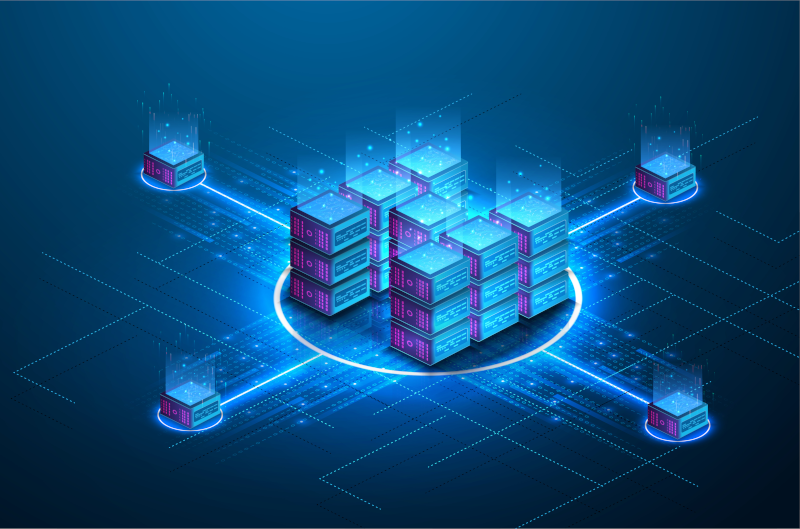

Network segmentation divides a larger network into smaller, isolated parts known as segments or subnets. Each segment functions independently with its own rules and access controls. This separation limits unnecessary communication between devices and creates controlled zones that improve visibility, security, and performance.
Why Network Segmentation Is Important
Network segmentation is essential for strengthening an organization’s security posture. By limiting how devices interact, it reduces opportunities for attackers to move freely across the network. It also improves traffic management by preventing congestion and allowing administrators to assign resources more efficiently.
Key benefits include:
-
Reduced attack surface by isolating sensitive areas
-
Controlled access through well-defined boundaries
-
Improved performance with less unnecessary data flow
-
Enhanced compliance with regulatory standards
-
Quicker incident response due to clearer segmentation points
How Network Segmentation Works
Segmentation relies on network devices such as switches, routers, and firewalls to create boundaries. These components apply rules that determine how traffic passes between segments. Policies can block, restrict, or allow specific interactions based on organizational needs.
Types of Network Segmentation
1. Physical Segmentation
This method uses separate hardware—such as dedicated switches or cabling—to create isolated networks.
Advantages: Strong physical isolation, excellent security
Limitations: Higher cost, less flexible to change
2. Logical Segmentation
Logical segmentation divides the network using software-based configurations.
Advantages: Cost-effective, scalable, and flexible
Limitations: Requires careful configuration to avoid overlap
3. VLAN Segmentation
Virtual Local Area Networks group devices based on function rather than physical location. VLANs help isolate traffic and enforce access policies efficiently.
4. Firewall-Based Segmentation
Firewalls create security zones and apply rules that define which traffic can enter or leave each area. This method is commonly used for protecting sensitive systems.
5. Microsegmentation
Often used in modern data centers and cloud environments, microsegmentation restricts communication between individual workloads or devices. It implements very granular security policies, supporting Zero Trust principles.
Best Practices for Effective Network Segmentation
Identify Critical Assets
Classify and prioritize systems that require stronger protection, such as databases, finance systems, or servers containing sensitive data.
Define Clear Access Policies
Determine who needs access to each segment and apply the principle of least privilege. Only essential communication should be allowed.
Use Strong Monitoring Tools
Visibility is key to ensuring segmentation works as intended. Monitoring tools can detect suspicious lateral movements or policy violations.
Document and Update Your Segmentation Strategy
Networks evolve, so segmentation plans must adapt. Regular audits help maintain efficiency and security.
Combine Segmentation With Zero Trust
Zero Trust assumes no user or device is trustworthy by default. When paired with segmentation, it significantly reduces risks and strengthens overall security.
Common Challenges in Network Segmentation
-
Overly complex designs that become difficult to manage
-
Misconfigured access rules leading to communication issues
-
Limited visibility across segments
-
Balancing security needs with operational requirements
Addressing these challenges requires planning, regular testing, and continuous improvement.
FAQ: Frequently Asked Questions
1. Is network segmentation only for large organizations?
No. Small and medium-sized businesses also benefit greatly from segmentation, especially for securing sensitive data.
2. How does segmentation help during a cyberattack?
It limits an attacker’s ability to move laterally, containing the threat within one segment instead of the entire network.
3. Do VLANs provide enough security on their own?
VLANs improve isolation, but adding firewalls and access controls offers stronger protection.
4. Can segmentation improve network speed?
Yes. By reducing unnecessary traffic, segmentation helps optimize performance.
5. What industries rely heavily on segmentation?
Healthcare, finance, government, retail, and critical infrastructure sectors frequently use segmentation due to strict compliance requirements.
6. Is microsegmentation difficult to implement?
It can be complex, but modern automation tools make deployment easier and more precise.
7. How often should segmentation policies be reviewed?
Reviewing them at least annually—or after major network changes—is recommended to maintain security and efficiency.