
Introduction
When people talk about building websites, the terms web design and web development are often used interchangeably. Although they work closely together, they represent two distinct disciplines with different goals, skill sets, and responsibilities. Understanding the difference between them helps businesses hire the right professionals, students choose the right career path, and teams collaborate more effectively.
Web design focuses primarily on how a website looks and feels. Web development focuses on how a website works behind the scenes. Both roles are essential to creating a modern digital experience that is visually appealing, functional, and user-friendly.
This article explores the key differences between web design and web development in detail, including their responsibilities, tools, skills, workflows, and career opportunities.
What Is Web Design
Web design refers to the process of planning and creating the visual structure, layout, and user experience of a website. A web designer ensures that a site is attractive, easy to navigate, and aligned with brand identity.
The goal of web design is not just aesthetics. It also includes usability, accessibility, and interaction flow.
Core Responsibilities of a Web Designer
A web designer typically handles several creative and user-centered tasks such as:
- Designing page layouts and structure
- Creating color palettes and typography systems
- Planning navigation menus
- Designing buttons and icons
- Ensuring responsive layout behavior
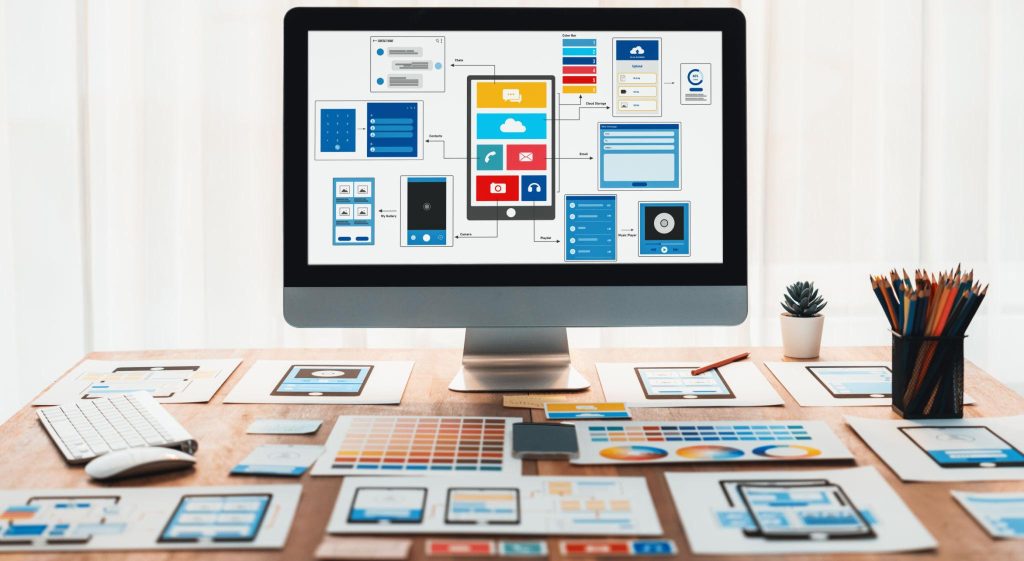
- Building wireframes and mockups
- Improving user experience flow
Designers think from the visitor’s perspective. Their work answers questions like how users move through the website and how easily they can find information.
Types of Web Design
There are several specializations within web design:
UI Design
UI design focuses on the visual components users interact with, including buttons, menus, forms, and layouts.
UX Design
UX design focuses on how users experience the website. It includes navigation logic, usability testing, and interaction flow.
Visual Design
Visual design ensures consistency in branding elements like fonts, colors, spacing, and imagery.
Each specialization contributes to a cohesive and intuitive digital experience.
Tools Used by Web Designers
Web designers rely on professional tools to create layouts and visual prototypes. Common tools include:
- Figma
- Adobe XD
- Sketch
- Photoshop
- Illustrator
These tools help designers create interactive mockups before developers begin coding.
What Is Web Development
Web development refers to the technical process of building and maintaining websites. Developers transform design concepts into working digital platforms using programming languages and frameworks.
While designers focus on appearance and usability, developers ensure that websites function properly across devices and browsers.
Core Responsibilities of a Web Developer
Web developers handle technical tasks such as:
- Writing website code
- Creating interactive functionality
- Connecting databases
- Optimizing site performance
- Ensuring security standards
- Testing compatibility across browsers
- Maintaining website updates
Developers bring the designer’s vision to life through structured logic and programming.
Types of Web Development
Web development is generally divided into three main categories.
Front End Development
Front end developers build everything users see and interact with directly. They work with technologies like:
- HTML
- CSS
- JavaScript
Their job is to translate visual designs into responsive, interactive layouts.
Back End Development
Back end developers manage server-side logic and database interactions. They commonly use:
- Python
- PHP
- Node.js
- Java
- Ruby
They ensure that websites process information correctly and securely.
Full Stack Development
Full stack developers handle both front end and back end responsibilities. They work across the entire website architecture.
Key Differences Between Web Design and Web Development
Although web design and development work together closely, they differ significantly in purpose, tools, and execution methods.
Focus Area
Web design concentrates on appearance and user interaction. It ensures that visitors enjoy a smooth browsing experience.
Web development concentrates on functionality and performance. It ensures the website operates correctly behind the scenes.
Skill Requirements
Web designers need creative and user-centered skills such as:
- Visual composition
- Typography knowledge
- Color theory
- Interaction planning
- User behavior understanding
Web developers require technical skills such as:
- Programming languages
- Debugging techniques
- Database management
- Server configuration
- Version control systems
Both professions require problem-solving ability but apply it differently.
Tools and Technologies
Designers rely on layout and prototype tools. Developers rely on coding environments and frameworks.
Typical developer tools include:
- Visual Studio Code
- Git
- Chrome Developer Tools
- Framework libraries
Each role uses specialized resources suited to its responsibilities.
Workflow Position
Web designers usually begin the project by creating structure and interface concepts.
Developers follow by transforming those concepts into functional systems.
The collaboration between these roles determines project success.
Output Type
Designers produce wireframes, prototypes, and visual systems.
Developers produce working websites and applications.
Both outputs are essential for delivering a complete digital product.
How Web Designers and Developers Work Together
Successful websites depend on strong collaboration between designers and developers.
The workflow typically follows this sequence:
- Research user needs
- Build layout wireframes
- Create interface mockups
- Develop front end structure
- Connect back end functionality
- Test performance and usability
- Launch and maintain the website
Communication ensures that the final product matches both visual expectations and technical requirements.
When designers and developers collaborate effectively, users benefit from faster load speeds, intuitive navigation, and consistent branding.
Which Career Path Should You Choose
Choosing between web design and web development depends on your interests and strengths.
Web design may be a better fit if you enjoy:
- Creativity
- Layout planning
- Visual storytelling
- Branding systems
- User interaction strategy
Web development may be a better choice if you enjoy:
- Logical problem solving
- Programming languages
- Technical architecture
- Data handling
- System optimization
Some professionals eventually combine both skill sets to become hybrid specialists.
Why Businesses Need Both Web Designers and Developers
Modern websites must balance aesthetics with functionality.
Businesses benefit from designers because they:
- Improve brand perception
- Increase engagement time
- Enhance navigation clarity
- Strengthen visual identity
Businesses benefit from developers because they:
- Ensure reliable performance
- Protect user data
- Improve loading speed
- Enable advanced features
- Maintain scalability
Without either role, a website risks becoming ineffective or unusable.
Future Trends in Web Design and Web Development
Technology continues to reshape how websites are built and experienced.
Emerging design trends include:
- Minimalist interfaces
- Mobile-first layouts
- Accessibility-first strategies
- Personalized user experiences
Emerging development trends include:
- Progressive web applications
- Cloud-based deployment
- AI-assisted coding workflows
- Faster JavaScript frameworks
Professionals who adapt to these changes remain competitive in the digital industry.
Common Misconceptions About Web Design and Web Development
Many people misunderstand the difference between these roles.
One common misconception is that designers write complex code. While some designers understand basic markup languages, coding is primarily the developer’s responsibility.
Another misconception is that developers handle visual decisions. Developers implement visual plans but usually do not create them from scratch.
Understanding these distinctions improves collaboration and project planning.
Frequently Asked Questions
1. Can one person handle both web design and web development
Yes. Some professionals work as full stack creators who manage both design and development tasks. However, mastering both areas requires time and consistent practice.
2. Which field is easier to learn for beginners
Web design is often easier for beginners who enjoy creativity, while web development suits those comfortable with logic and structured thinking.
3. Do web designers need coding knowledge
Basic knowledge of HTML and CSS helps designers communicate better with developers, but advanced coding is not always required.
4. Is web development more in demand than web design
Both fields remain highly relevant. Demand depends on industry needs, project complexity, and business goals.
5. How long does it take to become job ready in either field
Most learners can build entry-level skills within six to twelve months with consistent practice and portfolio development.
6. Can web designers transition into web development later
Yes. Many designers expand their skills into front end development after gaining familiarity with layout structures and interface behavior.
7. Which role earns higher salaries on average
Salary differences vary by experience level, specialization, and location. Advanced developers often earn higher technical salaries, while experienced UX designers can also command strong compensation packages.
If you’d like, I can also prepare an SEO-optimized version of this article with keyword placement strategy for ranking performance. 📊